

The Real Impact of Personal Growth Best Practices on Your Business
You’re hustling. You’re grinding. Your inbox is a battlefield, your calendar a labyrinth, and the market… well, the market is doing its market thing, which usually involves a fair bit of unpredictability. You’re chasing targets, navigating crypto fluctuations, perhaps even building a modern empire from scratch. You’ve got the spreadsheets, the strategies, the late-night coffee, and the unwavering belief that more effort equals more success.
But lately, there’s a whisper, isn’t there? A quiet suspicion that perhaps the equation is missing a crucial variable. You’re working harder, but are you working smarter? Are you truly thriving, or just surviving the relentless pace of modern business? What if the secret to unlocking your next level of business performance isn’t another external strategy, but an internal transformation?
It sounds almost too simple, doesn’t it? Yet, the most astute entrepreneurs and leaders are increasingly recognizing a profound truth: the real impact of personal growth best practices on your business is not just significant, it’s foundational. It’s not a soft skill; it’s a hard asset. It’s the invisible engine powering every visible success.
Forget the fluffy self-help tropes for a moment. We’re talking about tangible, measurable improvements in your decision-making, resilience, leadership, and ultimately, your bottom line. We’re going to peel back the layers and explore how cultivating your inner landscape directly shapes your external empire, whether you’re deep in decentralized finance, scaling a tech startup, or simply trying to master the art of modern professional living.
Beyond the Grind: Why Personal Growth Isn’t a Luxury, It’s Leverage
Let’s be honest, the phrase “personal growth” can sometimes conjure images of scented candles and endless journaling. And while those certainly have their place, in the high-stakes world of finance, crypto, and fast-paced modern business, it often feels like a luxury you can’t afford. You’re too busy making things happen, right?
Wrong. Thinking of personal growth as a mere indulgence is like trying to run a high-performance engine on cheap fuel. It might get you somewhere, but it won’t be optimal, and it certainly won’t be sustainable. The truth is, personal growth isn’t a soft skill; it’s a strategic imperative. It’s the leverage that amplifies every other effort you make.
The Hidden Cost of Neglect
Consider the alternative: neglecting your personal development. What happens? Stress mounts, decision fatigue sets in, and your capacity for innovation dwindles. In a volatile market, where quick, clear thinking is paramount, a mind clouded by burnout is a liability. You might miss critical market signals, make impulsive trades, or alienate key stakeholders because your emotional reserves are depleted. The cost isn’t just measured in lost opportunities; it’s also in the very real toll on your mental and physical health, which inevitably spills over into your professional life.
Resilience: Your Best Investment in Volatile Markets
In the world of crypto, where fortunes can be made or lost in hours, resilience isn’t just a buzzword; it’s a survival mechanism. Personal growth practices like mindfulness, emotional regulation, and developing a robust support system directly build this resilience. When the market dips unexpectedly, or a project faces a major setback, the individual who has cultivated their inner strength is far less likely to panic, make rash decisions, or throw in the towel. They can assess the situation with a cooler head, pivot with agility, and maintain perspective, which is an invaluable asset when everyone else is losing theirs.
Think of it as building a robust internal infrastructure. Just as you invest in secure servers and redundant systems for your business, you need to invest in your own mental and emotional resilience. This allows you to absorb shocks, adapt to change, and maintain peak performance even when external conditions are chaotic. The real impact of personal growth best practices on your business shines brightest when the going gets tough.
Sharpening Your Business Acumen: The Cognitive Edge
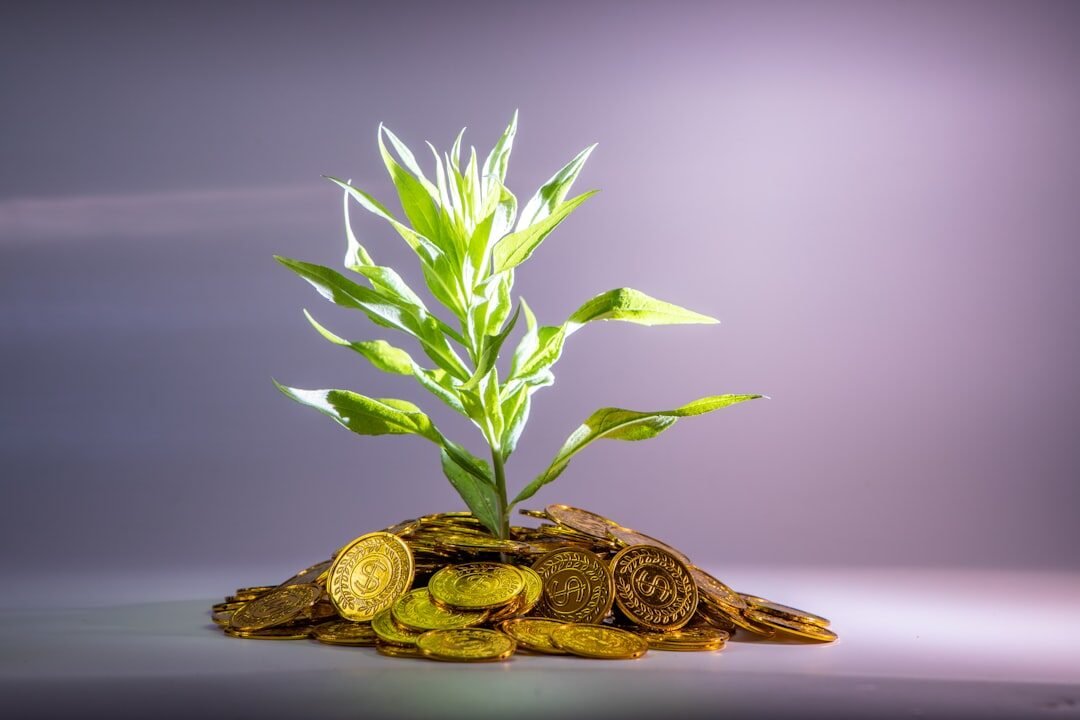
In a world drowning in data and information, simply having access to knowledge isn’t enough. The true competitive advantage lies in your ability to process, analyze, innovate, and make astute decisions. This is where personal growth practices deliver a profound cognitive edge, directly sharpening your business acumen.
Critical Thinking and Problem-Solving
Personal growth isn’t just about feeling good; it’s about thinking better. Practices like learning new skills, engaging in deep work, or even just regularly challenging your own assumptions, cultivate a sharper mind. When you commit to continuous learning, you’re not just accumulating facts; you’re refining your mental models, improving your pattern recognition, and enhancing your ability to dissect complex problems. This is crucial whether you’re evaluating a new blockchain protocol, structuring a complex financial deal, or troubleshooting a critical business process.
Imagine facing a novel challenge – perhaps a sudden regulatory shift in the crypto space. Someone with a stagnant mindset might react with fear and paralysis. But an individual committed to personal growth, who regularly seeks out new information and challenges their own biases, will approach it with curiosity. They’ll ask: “What can I learn here? How can I adapt? What opportunities might this create?” This proactive, analytical approach is a direct result of a mind that is constantly being stretched and refined.
Innovation and Creativity: Fueling Your Future
Innovation isn’t just for the R&D department; it’s the lifeblood of any thriving modern business. And creativity, often dismissed as an artistic pursuit, is the engine of innovation. Personal growth practices, particularly those focused on mindfulness, divergent thinking, and embracing discomfort, are powerful catalysts for creativity.
When you regularly step away from the immediate demands of your business to engage in activities that stimulate different parts of your brain – whether it’s reading widely, learning an instrument, or simply allowing for periods of unstructured thought – you’re nurturing the conditions for breakthrough ideas. Many entrepreneurs report their best ideas strike during walks, showers, or periods of rest, precisely because their minds are given space to connect disparate concepts.
This isn’t just about coming up with a new product. It’s about finding innovative solutions to operational inefficiencies, creative marketing angles, or novel ways to engage your audience. The real impact of personal growth best practices on your business is evident in the fresh perspectives and innovative strategies that emerge from a well-nourished, curious mind.
Leadership, Influence, and Team Dynamics: It Starts With You
No matter how brilliant your individual strategy, a business rarely thrives in isolation. It relies on people – your team, your partners, your clients. And the quality of those relationships, the effectiveness of your team, and your ability to influence others all stem directly from your leadership. Guess what fuels truly effective leadership? You guessed it: personal growth.
Self-Awareness: The Foundation of Authentic Leadership
How well do you know yourself? Your strengths, your weaknesses, your triggers, your communication style? Self-awareness, a cornerstone of personal growth, is absolutely non-negotiable for effective leadership. A leader who understands their own biases can make more objective decisions. One who recognizes their emotional patterns can regulate their responses, preventing impulsive outbursts that erode trust.
Imagine a leader in a fast-paced crypto startup facing a critical bug. An un-self-aware leader might lash out, blame others, or become defensive, creating a toxic environment. A self-aware leader, however, might recognize their own stress response, take a moment to regulate, and then calmly assess the situation, empowering their team to find a solution. This ability to lead with composure and clarity, even under pressure, is a direct dividend of personal growth.
Empathy and Communication: Building Bridges, Not Walls
Modern businesses thrive on collaboration, and collaboration thrives on empathy and clear communication. Personal growth practices that encourage perspective-taking, active listening, and honest self-expression dramatically improve these skills. When you genuinely understand your team members’ motivations, challenges, and aspirations, you can lead them more effectively, delegate more appropriately, and inspire greater loyalty.
In a diverse, often remote, modern workforce, miscommunication is a constant threat. Leaders who have cultivated their communication skills through personal development (e.g., practicing difficult conversations, seeking feedback) can articulate vision more clearly, resolve conflicts more constructively, and foster an inclusive environment where everyone feels heard and valued. This translates directly into higher team morale, reduced turnover, and increased productivity. The real impact of personal growth best practices on your business is profoundly felt in the cohesion and performance of your human capital.
Inspiring and Motivating Your Team
People don’t just follow a title; they follow a vision and a leader they respect and trust. When you are committed to your own growth, you naturally become a more inspiring figure. Your team sees your dedication, your resilience, and your willingness to learn and adapt. This sets a powerful example, fostering a culture of continuous improvement throughout your organization.
A leader who is stagnant in their personal development will eventually find their team mirroring that stagnation. Conversely, a leader who is vibrant, curious, and constantly evolving will cultivate a dynamic team that is eager to learn, innovate, and contribute their best. Your personal journey of growth isn’t just for you; it’s a beacon that lights the path for everyone around you, enhancing your influence and the collective drive of your business.
Navigating Volatility: Resilience in the Face of Modern Business Challenges
If there’s one constant in modern business, especially in the finance and crypto sectors, it’s volatility. Market crashes, regulatory shifts, technological disruptions, global events – they all conspire to create an environment where uncertainty is the norm. How you, as a business leader, respond to these challenges can make or break your venture. And that response capability is profoundly shaped by your personal growth journey.
The Power of a Growth Mindset
One of the most powerful concepts in personal growth is the “growth mindset,” popularized by Carol Dweck. It’s the belief that your abilities and intelligence can be developed through dedication and hard work, rather than being fixed traits. In business, this translates into viewing challenges not as insurmountable obstacles, but as opportunities for learning and improvement.
When a crypto project faces a major hack, or a financial investment goes south, a fixed mindset might lead to despair, blame, and giving up. A growth mindset, however, prompts questions like: “What went wrong? What can we learn from this? How can we prevent it in the future? What new strategies can we explore?” This fundamental shift in perspective is critical for survival and innovation in turbulent times. It allows you to pivot, adapt, and even thrive amidst chaos, rather than being paralyzed by it.
Emotional Regulation: Your Inner Compass
The modern business landscape can be an emotional rollercoaster. Fear, excitement, frustration, anxiety – these emotions are natural, but unchecked, they can lead to disastrous decisions. Personal growth practices like mindfulness, meditation, and emotional intelligence training equip you with the tools to understand, acknowledge, and regulate your emotions.
Imagine the pressure of managing a significant investment portfolio during a market downturn. Panic can trigger impulsive selling, locking in losses. But a leader with strong emotional regulation can observe their fear without being consumed by it. They can take a step back, rely on data and strategy, and make rational decisions rather than reactive ones. This isn’t about suppressing emotions; it’s about gaining control over their influence on your actions. The real impact of personal growth best practices on your business is evident in the steady hand and clear head you maintain when others are losing theirs.
Learning from Failure, Building for the Future
Failure is an inevitable part of innovation and growth. Every successful entrepreneur has a graveyard of failed ventures or projects. What distinguishes them is not the absence of failure, but their ability to learn from it and bounce back stronger. Personal growth fosters this resilience by reframing failure as feedback, rather than a definitive judgment of worth.
By cultivating self-compassion, practicing reflection, and focusing on continuous improvement, you develop the psychological fortitude to pick yourself up after a setback, analyze what went wrong without debilitating self-criticism, and apply those lessons to your next endeavor. This iterative process of learning, failing, and adapting is the engine of long-term success, especially in rapidly evolving sectors like finance and technology.
The Wealth of Well-being: Beyond the Balance Sheet
In the relentless pursuit of financial success, it’s easy to fall into the trap of believing that more hours, more stress, and more sacrifice are the only path to the top. But an increasing body of evidence, and the lived experience of countless burnt-out professionals, tells a different story. True, sustainable success isn’t just about the numbers on your balance sheet; it’s about the wealth of your overall well-being. And personal growth is the key to unlocking it.
Preventing Burnout: A Strategic Business Move
Burnout isn’t just a personal problem; it’s a significant business liability. Decreased productivity, poor decision-making, increased errors, higher turnover rates, and a toxic work environment are all direct consequences of burnout. In high-pressure industries like finance and crypto, where the stakes are high and the pace is relentless, burnout is an ever-present threat.
Personal growth practices, such as setting healthy boundaries, prioritizing rest and recovery, engaging in stress-reducing activities, and cultivating a sense of purpose beyond profit, are your best defense against burnout. When you actively manage your energy, rather than just your time, you ensure that you show up to your business with a full tank, ready to tackle challenges with clarity and vigor. This isn’t just about feeling better; it’s about maintaining peak performance for the long haul.
Purpose and Fulfillment: The Ultimate Motivators
While financial rewards are certainly a powerful motivator, they rarely provide lasting fulfillment on their own. Many successful individuals find themselves feeling empty despite their material wealth. Personal growth encourages introspection, helping you clarify your values, identify your passions, and connect your business endeavors to a larger sense of purpose.
When your work aligns with your deepest values, it transforms from a grind into a calling. This intrinsic motivation is far more powerful and sustainable than external incentives alone. It fuels resilience during tough times, inspires creativity, and attracts like-minded individuals to your vision. The real impact of personal growth best practices on your business, in this context, is the creation of a truly meaningful and impactful enterprise, one that contributes not just to your bank account, but to your soul and perhaps even to the wider world.
Work-Life Integration: A Modern Approach to Balance
The old paradigm of “work-life balance” often implies a rigid separation, a constant tug-of-war. Modern life, with its blurred lines between personal and professional, demands a more nuanced approach: work-life integration. Personal growth helps you define what this looks like for you, ensuring that your professional ambitions don’t completely eclipse your personal well-being.
This might involve strategically scheduling personal development activities into your workday, leveraging technology to manage both personal and professional commitments seamlessly, or consciously creating space for family, hobbies, and self-care. It’s about designing a life where your work enhances your well-being, and your well-being fuels your work, creating a virtuous cycle of sustainable success. The result is a more holistic, fulfilling, and ultimately, more productive existence.
Practical Playbook: Integrating Personal Growth into Your Business Life
Okay, so we’ve established that personal growth isn’t just a nice-to-have, but a must-have for modern business success. Now, how do you actually weave it into your already packed schedule? It’s not about adding another overwhelming task; it’s about strategic integration and consistent effort. Here’s your practical playbook.
1. Master Your Mindset with Mindfulness and Meditation
Why it matters: In the frenetic pace of finance and crypto, a calm, focused mind is your greatest asset. Mindfulness helps you observe thoughts and emotions without judgment, reducing reactivity and improving clarity. Meditation builds your capacity for sustained attention.
How to do it: Start small. 5-10 minutes a day. Use apps like Calm or Headspace. Practice mindful moments throughout your day: truly taste your coffee, feel your feet on the ground, take three deep breaths before a big meeting. This isn’t about emptying your mind, but about training it to focus and return to the present moment.
Business impact: Better decision-making under pressure, reduced stress, enhanced focus during complex analysis, improved emotional regulation when market volatility hits.
2. Commit to Continuous Learning (Beyond Your Niche)
Why it matters: The world is evolving at warp speed. Stagnation is a death sentence. Personal growth means expanding your knowledge base, not just in your immediate field, but broadly.
How to do it: Dedicate specific time each week. Read books (not just industry reports), take online courses (Coursera, edX), listen to diverse podcasts. Explore topics outside your comfort zone – philosophy, history, psychology, even fiction. Learn a new language or a creative skill. This cross-pollination of ideas fuels innovation.
Business impact: Enhanced critical thinking, new perspectives for problem-solving, increased creativity, ability to spot emerging trends, improved adaptability to market changes.
3. Seek and Embrace Feedback (The Growth Mirror)
Why it matters: We all have blind spots. Constructive feedback is a gift, offering insights into how you’re perceived and where you can improve. It’s uncomfortable, but essential for growth.
How to do it: Actively solicit feedback from trusted colleagues, mentors, and even clients. Ask specific questions: “What could I have done better in that negotiation?” or “How could I have communicated that strategy more clearly?” Listen without defensiveness. Reflect on the feedback and identify actionable steps.
Business impact: Improved leadership, stronger team dynamics, better communication, enhanced client relationships, faster personal and professional development.
4. Prioritize Physical Well-being (The Body-Mind Connection)
Why it matters: Your brain is part of your body. Neglect one, and the other suffers. Energy, focus, mood, and resilience are all deeply tied to physical health.
How to do it: Regular exercise (even a 30-minute walk), consistent sleep hygiene (aim for 7-9 hours), and a balanced diet. These aren’t optional extras; they’re foundational. Schedule them like you would any important meeting.
Business impact: Sustained energy levels, improved cognitive function, enhanced mood, greater stress resilience, reduced risk of burnout, longer career longevity.
5. Cultivate Strong Relationships and a Support System
Why it matters: Humans are social creatures. Isolation breeds stress and limits perspective. A strong network provides emotional support, diverse insights, and opportunities for collaboration.
How to do it: Nurture relationships with mentors, peers, and friends. Schedule regular check-ins. Join professional communities or mastermind groups. Don’t just network for business; connect for genuine human interaction. Be a good listener and offer support in return.
Business impact: Access to diverse perspectives and advice, emotional resilience during setbacks, opportunities for partnerships, reduced feelings of isolation, improved overall well-being.
6. Practice Reflection and Journaling
Why it matters: The speed of modern life often leaves no room for processing. Reflection helps you learn from experiences, clarify thoughts, and identify patterns.
How to do it: Dedicate 10-15 minutes at the end of your day or week. Jot down what went well, what challenged you, what you learned, and what you could do differently. This doesn’t have to be a formal diary; bullet points work fine. Digital tools or a simple notebook are equally effective.
Business impact: Enhanced self-awareness, improved decision-making, better problem-solving, reduced repetition of mistakes, clearer strategic thinking.
Decision Checklist: Is Your Personal Growth Fueling Your Business?
It’s easy to say you’re committed to personal growth, but are you actually putting it into practice in a way that truly impacts your business? Use this checklist to honestly assess your current approach and identify areas for improvement. The real impact of personal growth best practices on your business is only realized through consistent, intentional effort.
- Are you dedicating specific, non-negotiable time each week to personal development activities (e.g., learning, mindfulness, reflection)?
- Yes: Great! How can you make it even more impactful?
- No: What’s one small step you can take this week to start?
- When faced with a business challenge or setback, is your first instinct to learn and adapt, or to blame and despair?
- Learn & Adapt: You’re demonstrating a growth mindset.
- Blame & Despair: This is a key area for cultivating resilience and emotional regulation.
- Do you actively seek constructive feedback on your performance and leadership, even when it’s uncomfortable?
- Yes: You’re committed to self-awareness and continuous improvement.
- No: How might a lack of feedback be limiting your growth and your team’s potential?
- Are you consistently prioritizing your physical well-being (sleep, exercise, nutrition) as a foundational element of your business performance?
- Yes: You understand the body-mind connection.
- No: What’s the long-term cost of neglecting your health on your business?
- Can you articulate your core values and how your business aligns with a deeper sense of purpose beyond just profit?
- Yes: This provides powerful, sustainable motivation.
- No: Exploring this can unlock new levels of fulfillment and drive.
- Do you have a strong, diverse support network (mentors, peers, friends) outside of your immediate business bubble?
- Yes: You have essential resources for perspective and resilience.
- No: Isolation can be detrimental. How can you expand your network?
- Are you able to manage your emotional responses effectively during high-stress business situations (e.g., market volatility, difficult negotiations)?
- Yes: Your emotional intelligence is a significant asset.
- No: This is a critical area for developing leadership and decision-making skills.
FAQ: Your Personal Growth & Business Success Queries Answered
Q: Is personal growth just for entrepreneurs, or does it apply to employees too?
A: Absolutely not just for entrepreneurs! Personal growth is vital for anyone in any role. Employees who prioritize their development become more valuable assets, better team players, and more likely to advance. It enhances their skills, resilience, and contribution to any organization, making them indispensable in modern life.
Q: How can I find time for personal growth when my business demands are so high?
A: It’s not about “finding” time; it’s about “making” time. Treat personal growth like any other critical business meeting – schedule it. Start small: 15 minutes a day for reading, a 30-minute walk at lunch, or 5 minutes of mindful breathing before you check emails. The cumulative effect is profound. Remember, it’s an investment, not an expense.
Q: What if I don’t see immediate results from my personal growth efforts?
A: Personal growth is a marathon, not a sprint. Like investing in a long-term financial portfolio, the benefits compound over time. Don’t expect instant gratification. Focus on consistency and the process. The “aha!” moments and tangible business improvements often appear subtly at first, then become undeniably clear as you look back.
Q: Can personal growth really help me navigate volatile markets like crypto?
A: Emphatically yes. Personal growth builds resilience, emotional regulation, and a growth mindset. These are precisely the qualities needed to weather market storms, avoid panic selling, make rational decisions under pressure, and learn from setbacks rather than being crushed by them. It’s your internal shock absorber.
Q: Is there a specific “best practice” I should start with?
A: The “best” practice is the one you’ll actually stick with. Many find mindfulness or meditation a powerful starting point because it trains focus and reduces reactivity. Others prefer reading, journaling, or physical exercise. Choose one small, sustainable habit that resonates with you and commit to it for 30 days. Build from there.
Q: How do I measure the “impact” of personal growth on my business?
A: While not always a direct KPI, you can observe qualitative and quantitative shifts. Look for improved decision-making, reduced stress levels, better team communication, increased innovation, greater resilience during challenges, and a more sustainable energy level. You might also see indirect impacts on retention, client satisfaction, and overall business growth, as a more capable you leads to a more capable business.
The Unseen Engine of Lasting Success
So, here we are. We’ve journeyed through the intricate ways your inner landscape shapes your external empire. We’ve seen how the real impact of personal growth best practices on your business isn’t some abstract concept, but a powerful, tangible force that fuels resilience, sharpens your mind, elevates your leadership, and ultimately, defines the very quality and sustainability of your success.
In a world that constantly demands more, the temptation is always to look outward for the next strategy, the next tool, the next market hack. But the truly savvy leaders, the ones building enduring businesses and living fulfilling lives in this complex modern era, understand that the most potent leverage lies within. It’s in the quiet commitment to self-awareness, the relentless pursuit of learning, the cultivation of emotional intelligence, and the unwavering dedication to your own well-being.
Don’t just chase success; become the kind of person who naturally attracts and sustains it. Your business is merely an extension of you. Invest in yourself, and watch your business flourish in ways you never thought possible. It’s not just smart business; it’s the only way to truly thrive.
Your next step: Pick one actionable item from the “Practical Playbook” or the “Decision Checklist” that resonated most deeply with you. Commit to implementing it for the next seven days. Observe the subtle shifts. Then, come back and pick another. This isn’t a one-time fix; it’s a lifelong journey. And it’s one that promises the most profound returns.